It just seems like a hazard to me. If there’s a malfunction or fire or something, and it doesn’t work, wtf would happen. Seems just like a bad idea in general, for very little gain, if any.
The IONIQ 5 handles are still mechanical, and aren’t any more likely to malfunction than any other mechanical door handle. While they’re recessed, they’re effectively like a see-saw, in that you push down on one end to pop out the handle on the other end (a purely mechanical operation — it’s just hinged in the middle with a small spring). When you pull on the handle, it’s still just a mechanical operation to unlock and open the door. Now there is a motor that can auto pull that handle in and out — but even if the car battery is dead as a door nail popping it out by pushing on one side and pulling out the other is quick, easy, and works 100% of the time as it’s purely mechanical.
So there is no hazard — or at least, not any more than any other mechanical door pull.
You can see a video of the process here. The video is more based on how to open the door when the keyfob battery is dead, but it also applies if the car itself is dead.
They can be purely just physical with zero electronics where it acts like a lever so you push in with your thumb and it causes the handle on the other side to push out.
It doesn’t even need to be any harder to use than a conventional door handle.
It doesn’t really help much for aerodynamics on the micro scale where it saves around 0.6 kWh per 100 km but in the U.S. alone that correlates to around 29 tWh per year at 3 trillion miles driven per year
Huh.
I guess it’s costing me about 5p per 100km and it’s not going to bankrupt me, but it’s definitely a lot more than I expected. Thanks for the link. There are some interesting articles in there.
Still think the ones with 8lb motors in them are a complete waste and can fail too easily but them being flush doesn’t seem like as much of the problem as it being motorized which is the part I personally believe they should correct


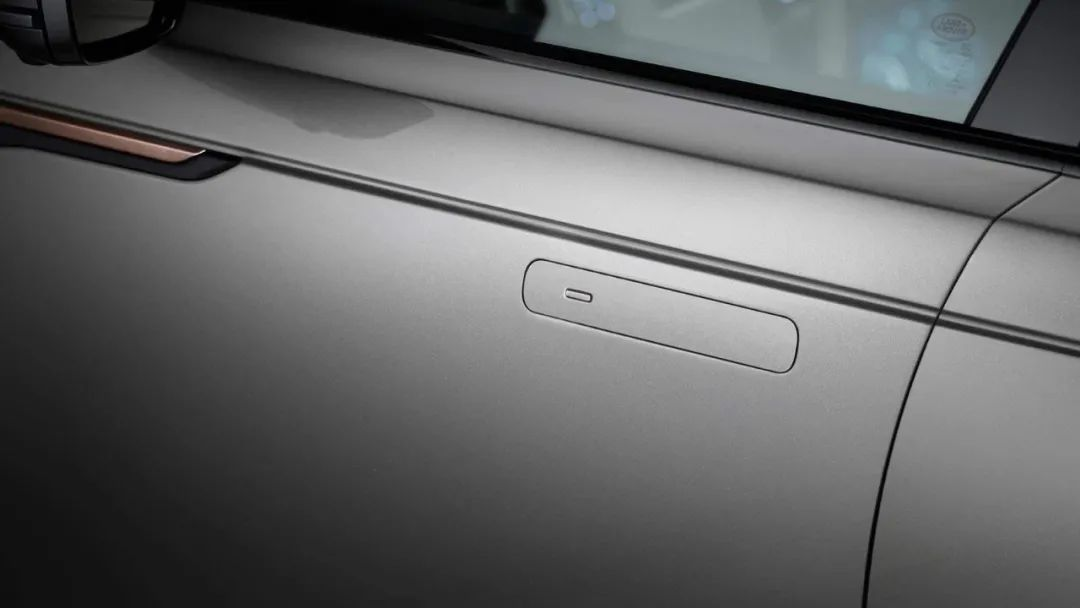
Retractable handles are still physical. The ioniq 5 is a good example. It just tucks in flush when the car is driving or locked
It just seems like a hazard to me. If there’s a malfunction or fire or something, and it doesn’t work, wtf would happen. Seems just like a bad idea in general, for very little gain, if any.
The IONIQ 5 handles are still mechanical, and aren’t any more likely to malfunction than any other mechanical door handle. While they’re recessed, they’re effectively like a see-saw, in that you push down on one end to pop out the handle on the other end (a purely mechanical operation — it’s just hinged in the middle with a small spring). When you pull on the handle, it’s still just a mechanical operation to unlock and open the door. Now there is a motor that can auto pull that handle in and out — but even if the car battery is dead as a door nail popping it out by pushing on one side and pulling out the other is quick, easy, and works 100% of the time as it’s purely mechanical.
So there is no hazard — or at least, not any more than any other mechanical door pull.
You can see a video of the process here. The video is more based on how to open the door when the keyfob battery is dead, but it also applies if the car itself is dead.
That sounds like a smart design.
Yup, thank you, I got lots of replies. 🙂
They can be purely just physical with zero electronics where it acts like a lever so you push in with your thumb and it causes the handle on the other side to push out.
It doesn’t even need to be any harder to use than a conventional door handle.
It doesn’t really help much for aerodynamics on the micro scale where it saves around 0.6 kWh per 100 km but in the U.S. alone that correlates to around 29 tWh per year at 3 trillion miles driven per year
According to this the average EV uses just under 18.9kWh for 100km. 0.6kWh is over 3%.
I find it really really hard to believe that regular door handles cost 3% of your energy. I suspect that’s a massive over estimate.
I got the number from here
“Engineers say that drag reduction due to flush handles amounts to just 0.005-0.01 Cd, saving about 0.6 kWh per 100 km.“
https://www.carscoops.com/2025/09/chinas-possible-ban-on-retractable-door-handles-could-have-ripple-effect/
Huh.
I guess it’s costing me about 5p per 100km and it’s not going to bankrupt me, but it’s definitely a lot more than I expected. Thanks for the link. There are some interesting articles in there.
Still think the ones with 8lb motors in them are a complete waste and can fail too easily but them being flush doesn’t seem like as much of the problem as it being motorized which is the part I personally believe they should correct
Absolutely
You can still use them